
Why Portugal Is Emerging as Europe’s Next Wellness Destination
Portugal’s wellness economy has reached $21B, with wellness tourism, mental wellbeing, and wellness real estate expanding rapidly. As luxury hotels and retreats invest in wellness infrastructure, the key question becomes how these spaces are activated through curated programming and specialist practitioners.
Portugal’s wellness economy is now worth $21 billion.
According to new research from the Global Wellness Institute, wellness represents 6.8% of the country’s national GDP, placing it above the global average.
But the story is not simply about spas or retreats.
The real signal lies in how the sector is evolving.
Across Portugal, a new wellness infrastructure is emerging — one that luxury hospitality is only beginning to activate.
And for hotels, resorts, and retreat properties, this raises a strategic question:
How are these wellness spaces being programmed?
Because building the space is only the first step.
What happens inside it is what defines the guest experience.
The Growth
The Global Wellness Institute’s latest data highlights several key developments.
Portugal’s wellness economy now includes:
• $5.1B wellness tourism
• $4.2B personal care & beauty
• $3.7B physical activity
Inbound wellness travel is also rising quickly.
In 2024 alone, Portugal recorded 2.49 million inbound wellness tourism trips, with travellers spending an average of $1,349 per visit.
This confirms what many hospitality groups are already observing:
Wellness travellers are among the highest-value guests in the industry.
They stay longer, engage more deeply with programming, and often return to destinations that support their wellbeing.
The Real Signal
The fastest growing segment is not tourism.
It is wellness real estate.
According to the report, wellness real estate in Portugal is growing at 20.6% CAGR.
Across the country, developers are integrating wellness infrastructure into hospitality and residential projects.
This includes:
• Dedicated movement spaces
• Recovery and longevity facilities
• Yoga decks and outdoor practice areas
• Spa and hydrotherapy environments
• Wellness-focused retreat properties
But infrastructure alone does not create meaningful experiences.
Programming does.
The Programming Gap
As new wellness spaces appear across resorts and retreat destinations, a common challenge emerges.
Many properties know they want wellness.
But they are less certain about how to activate it.
Wellness is no longer limited to traditional spa treatments.
Guest demand increasingly includes:
• Breathwork and nervous system regulation
• Sound healing and meditation
• Somatic recovery practices
• Longevity-focused experiences
• Movement systems beyond conventional fitness
These experiences require practitioners who can operate comfortably inside luxury hospitality environments.
That combination of expertise is still relatively rare.
What Hospitality Is Learning
The difference between a well-designed wellness facility and a meaningful guest experience often comes down to who delivers the programming.
Luxury hotels now look for practitioners who can:
• Adapt to international guest expectations
• Understand hospitality service standards
• Integrate seamlessly into the rhythm of a property
• Deliver experiences that support the brand narrative
The practitioner is no longer simply a service provider.
They are an extension of the guest experience.
The Future
Portugal’s wellness economy is expanding quickly.
But the next phase of growth will not come from infrastructure alone.
It will come from how those spaces are activated.
For hospitality groups, the challenge is no longer whether to invest in wellness.
It is how to curate it.
Because in modern luxury hospitality, the most memorable experiences are rarely the largest.
They are the most carefully considered.
And in wellness, that consideration begins long before the session starts.
It begins with who is invited to lead it.

Wellness Residency vs Wellness Strategy in Luxury Hotels
Luxury hotels often confuse wellness residencies with strategy. Discover the commercial difference — and why alignment determines performance.
Luxury hospitality has embraced the wellness residency.
Seasonal practitioners. Visiting experts. Performance-led activations. Curated weekly schedules designed to elevate the guest experience.
But a critical distinction remains misunderstood:
A wellness residency is not the same as a wellness strategy.
And confusing the two is where commercial performance quietly falters.
What Is a Wellness Residency?
A wellness residency is a temporary placement of a practitioner within a luxury hotel or resort.
It may last:
• One week
• One season
• Several months
The focus is typically on:
• Guest experience
• Practitioner profile
• Schedule design
• Aesthetic alignment
Residencies introduce energy, expertise, and variation. They can create memorable guest moments and generate short-term buzz.
But a residency, on its own, is a format.
It is not a framework.
What Is a Wellness Strategy?
A luxury hospitality wellness strategy defines:
• Why the programming exists
• What commercial objective it supports
• Which guest profile it serves
• How it aligns with brand positioning
• How it integrates across departments
A strategy connects wellness programming to:
• ADR performance
• Guest retention
• Brand equity
• Seasonal positioning
• Long-term differentiation
Without this structure, even the most beautifully executed residency risks becoming decorative rather than differentiating.
Where Luxury Hotels Go Wrong
Many properties begin with availability.
Which practitioner is free?
Which modality is trending?
Which activation can be implemented quickly?
The brief is often aesthetic rather than strategic.
A residency is secured.
The schedule fills.
Guests attend.
But the underlying questions remain unanswered:
What was this residency designed to achieve?
How will success be measured?
Does it reinforce positioning — or simply add programming?
When commercial intent is undefined, performance becomes impossible to evaluate and difficult to replicate.
This is why leading properties are rethinking how they secure the right wellness talent before confirming seasonal placements.
Residency Is Expression. Strategy Is Architecture.
A wellness residency is an expression.
A wellness strategy is architecture.
Architecture determines:
• Audience calibration
• Pricing logic
• Brand coherence
• Departmental integration
• Long-term commercial leverage
Expression sits within it.
Some luxury properties are even replacing in-house spa teams with specialist residency models that allow greater flexibility and alignment.
At Elyra Collective, a boutique wellness placement agency specialising in luxury hotel wellness strategy, placement begins only after three variables are defined:
• Audience sophistication
• Brand tone
• Commercial objective
Only then is a practitioner matched.
This ensures that every residency strengthens positioning rather than diluting it.
Why This Distinction Matters in 2026
Luxury hospitality is no longer experimenting with wellness.
Guests expect it.
Investors scrutinise it.
Brands are defined by it.
This shift reflects broader luxury wellness trends shaping hospitality, where programming is expected to drive measurable brand value.
A residency without a strategy may create a pleasant experience.
A residency within strategy can:
• Increase perceived value
• Extend length of stay
• Support rate integrity
• Reinforce brand identity
• Drive repeat bookings
The difference is alignment.
The Future of Luxury Wellness Programming
Wellness in luxury hotels is moving toward consultancy-led placement models rather than informal booking systems.
This shift allows properties to:
• Protect brand integrity
• Introduce global talent strategically
• Scale seasonally without payroll expansion
• Align programming with commercial intent
In 2026 and beyond, the most successful luxury properties will not be those offering the most wellness.
They will be those aligning it with purpose.
Residency is the format.
Strategy is the leverage.

How Luxury Resorts Secure the Right Wellness Talent in 2026
The quiet shift from ad-hoc bookings to curated wellness placement and what it means for brand integrity in luxury hospitality.
Luxury wellness has moved far beyond spa menus.
In 2026, premium resorts are not simply offering wellness — they are curating it.
And behind every successful residency or seasonal activation lies a critical question:
How is the practitioner sourced and why?
Because today, the difference between a generic class and a transformative guest experience is no longer the modality.
It is the fit.
The Old Model
Historically, practitioner sourcing was informal.
• Word of mouth
• Instagram discovery
• Personal networks
• Last-minute availability
This worked when wellness was supplementary.
It does not work when wellness defines brand identity.
The Risk
Luxury hospitality now operates under stricter standards: brand alignment, discretion, and commercial clarity.
An unvetted practitioner introduces:
• Brand misalignment
• Inconsistent service standards
• Reputational exposure
• Undefined commercial structure
In 2026, sourcing is no longer operational.
It is strategic.
The Shift
Leading resorts are moving toward curated placement models.
They prioritise:
• Specialist short-term residencies
• Performance-led programming
• Longevity and nervous system modalities
• Cross-disciplinary expertise
• Clear commercial frameworks
Wellness is now treated like culinary or art curation — intentional and brand-specific. The practitioner is an extension of the property’s identity.
What Hotels Now Require
The standard has shifted.
Luxury properties now expect:
Structured vetting beyond certifications.
Brand compatibility, not just availability.
Defined commercial clarity before confirmation.
Minimal internal friction for hotel teams.
The question is no longer:
“Who is free?”
It is:
“Who strengthens our positioning?”
The Future
Wellness sourcing is evolving toward consultancy-led placement frameworks that allow hotels to:
• Protect brand integrity
• Access global talent
• Scale seasonally without payroll expansion
• Introduce new modalities without risk
Luxury in 2026 is not about excess.
It is about discernment.
And discernment begins long before the class starts, it begins with who is invited to lead it.

Why Luxury Hotels Are Replacing In-House Spa Teams With Specialist Practitioners
A strategic examination of why luxury hotels are shifting from traditional in-house spa teams to specialist-led wellness models and what this means for brand alignment and guest experience
For decades, the in-house spa model defined wellness within luxury hospitality.
A contained department. A fixed team. A treatment menu.
In 2026, that model is quietly evolving.
Luxury hotels are increasingly moving away from fully internal spa staffing structures and toward specialist-led, curated practitioner placement models.
The shift is not aesthetic. It is strategic.
The Limits of the Traditional Spa Model
In-house spa teams offer operational consistency. However, they often struggle to deliver:
• Cutting-edge modalities
• Specialist expertise across emerging practices
• Brand-aligned practitioner personalities
• Flexibility for seasonal programming
• High-calibre niche experiences
Modern luxury guests are more informed than ever. They seek breathwork facilitators trained in nervous system science. Longevity-focused performance specialists. Sound practitioners with international retreat credentials.
A generalist spa team, no matter how experienced, cannot realistically cover this expanding landscape.
The Rise of Specialist-Led Programming
Leading properties are increasingly introducing external, vetted specialists into their wellness ecosystems.
Rather than replacing internal teams entirely, they are supplementing them with curated practitioners who bring:
• Depth over breadth
• Contemporary methodologies
• Discretion and spatial awareness
• A presence aligned with high-end environments
This approach allows properties to maintain operational structure while elevating experiential depth.
Flexibility as a Competitive Advantage
Seasonal residencies. Limited-time guest practitioners. Brand-aligned collaborations.
The curated placement model introduces flexibility that traditional staffing cannot.
Hotels can:
• Launch specialised wellness residencies
• Host high-profile guest facilitators
• Align programming with brand campaigns
• Adjust offerings to evolving guest demand
In a competitive hospitality landscape, agility becomes a source of differentiation.
Risk, Reputation & Alignment
Luxury environments operate within narrow margins of reputational tolerance.
Practitioner misalignment - in tone, discretion, or professionalism - carries cost.
As a result, sourcing intelligence is becoming as important as creative programming.
Properties are seeking models that reduce sourcing risk while preserving brand integrity.
This is driving the move toward curated practitioner placement rather than ad-hoc recruitment.
The Structural Shift
The evolution away from fully in-house spa teams is not a rejection of tradition. It is an expansion of it.
Luxury hospitality is transitioning from static wellness departments to dynamic wellness ecosystems.
The properties leading this shift are those that understand:
Wellness is no longer a department.
It is infrastructure.
Explore our broader hospitality intelligence insights here:
https://www.elyracollective.com/blog/luxury-wellness-hospitality-2026
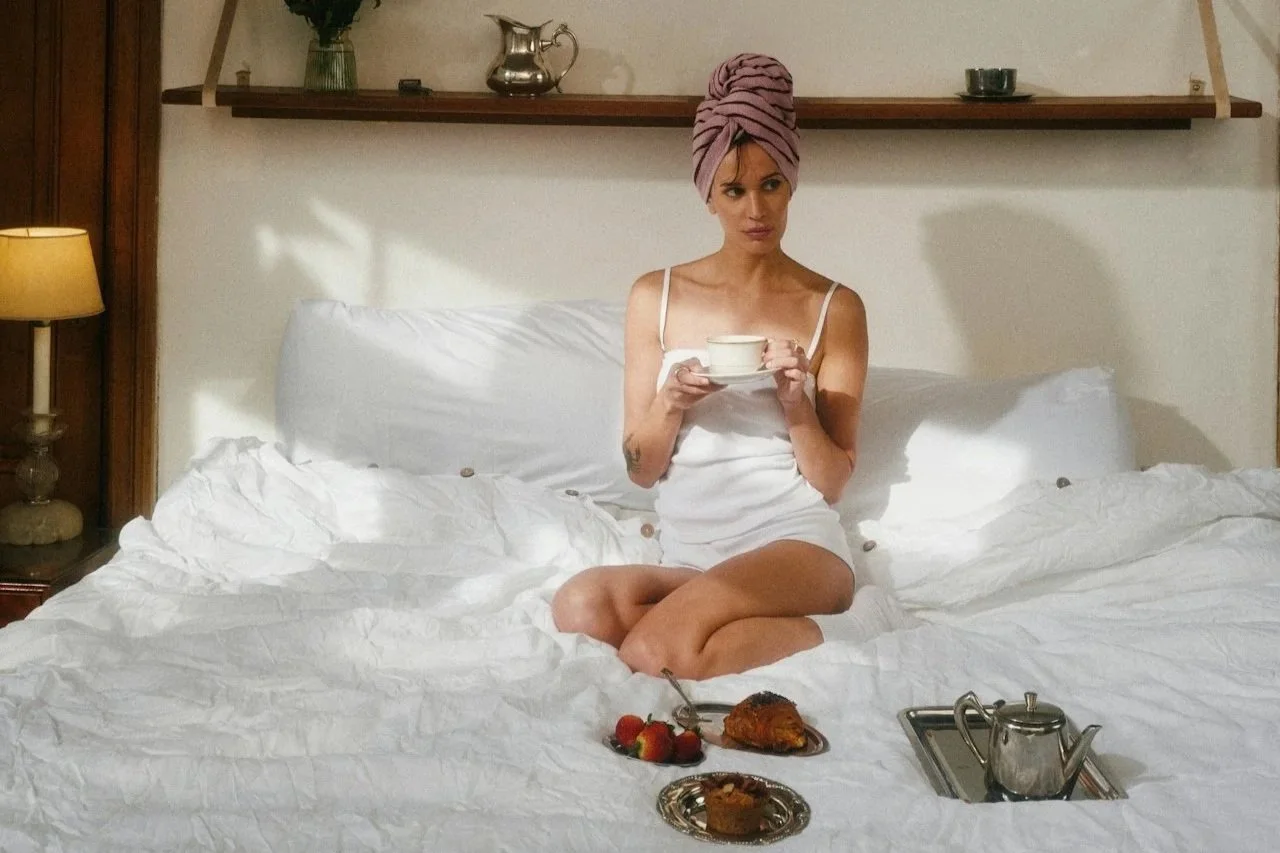
Luxury Wellness Trends in Hospitality 2026
A strategic look at how curated wellness programming is redefining luxury hospitality in 2026 and why precision placement now matters more than ever.
In 2026, wellness is no longer positioned as an amenity within luxury hospitality. It is embedded within its structure.
What was once spa-adjacent is now central to brand architecture, guest retention, and long-term differentiation.
Affluent travellers are no longer seeking relaxation alone. They are seeking regulation, longevity, optimisation, and intelligent design of experience.
The leading properties understand this. And they are building accordingly.
1. Specialist-Led Programming
The generic spa model is quietly dissolving.
In its place: curated, specialist practitioners - selected not only for technical expertise, but for discretion, presence, and alignment with luxury environments.
Breathwork. Sound. Longevity training. Somatic therapy. Refined movement practices.
Expertise signals credibility.
Credibility signals luxury.
2. Wellness Beyond the Treatment Room
In forward-thinking properties, wellness is not confined to a menu.
It is integrated into:
Arrival rituals.
In-room recovery.
Private sessions.
Corporate residencies.
Retreat collaborations.
Brand activations.
Wellness is becoming experiential infrastructure.
3. Nervous System & Longevity Intelligence
The modern luxury guest is informed.
Language has shifted from “pampering” to regulation. From indulgence to optimisation.
Cold exposure, infrared recovery, breath-led nervous system work, and restorative sound environments are no longer fringe — they are becoming expected within high-calibre environments.
Longevity is influencing hospitality design.
4. Vetting & Brand Alignment
Discretion is non-negotiable.
Luxury environments require practitioners who understand spatial awareness, guest confidentiality, and brand nuance.
The sourcing model is evolving.
Ad-hoc hiring is giving way to curated placement.
Because risk — reputational and experiential — is expensive.
The Defining Difference
The next era of luxury hospitality will not be defined by aesthetic minimalism alone.
It will be defined by integrated intelligence.
Properties that treat wellness as strategic infrastructure — rather than a decorative offering — will command loyalty, press attention, and long-term positioning advantage.
Elyra Collective supports luxury environments in sourcing and placing vetted wellness practitioners worldwide — ensuring alignment, discretion, and seamless integration.
Explore our approach:
https://www.elyracollective.com